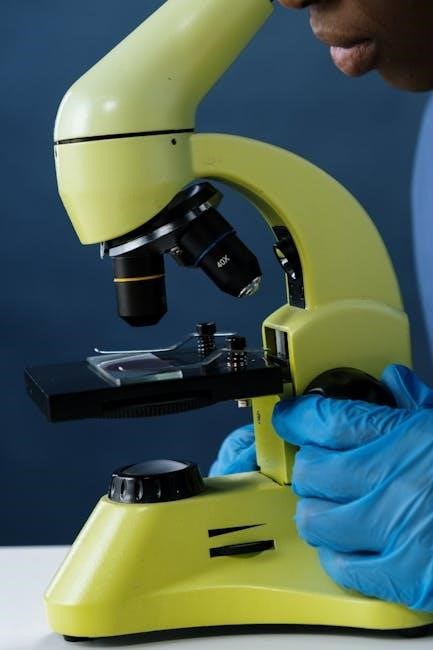
Foundations in Microbiology, 12th Edition, offers a comprehensive exploration of the microbial world, blending engaging content with practical applications for students.
Overview of the Textbook
Talaro’s Foundations in Microbiology, 12th Edition, meticulously builds upon its established reputation as a leading introductory microbiology text. This edition delivers a robust and accessible learning experience, covering fundamental principles with clarity and depth. The book integrates cutting-edge research and real-world applications, fostering a deeper understanding of the microbial universe.
It features updated content, enhanced visuals, and interactive resources designed to engage students and promote critical thinking. The text’s organization facilitates a logical progression through core concepts, making it ideal for both traditional and contemporary microbiology courses.
Target Audience and Prerequisites
Talaro’s Foundations in Microbiology, 12th Edition, is primarily designed for undergraduate students enrolled in introductory microbiology courses, often within biology, nursing, allied health, or environmental science programs. A foundational understanding of basic biology and chemistry is highly recommended as a prerequisite.
While a strong science background is beneficial, the textbook is structured to be accessible to students with varying levels of prior knowledge. The authors assume limited prior exposure to microbiology, carefully explaining key concepts and terminology.

Core Concepts Covered in the 12th Edition
Foundations in Microbiology meticulously covers fundamental principles, microbial cell structures, metabolism, genetics, immunology, and applied microbiology for a holistic understanding.
Fundamentals of Microbiology
Talaro’s Foundations in Microbiology, 12th Edition, establishes a robust understanding of core microbiological principles. It begins with the historical foundations of microbiology, tracing the pivotal discoveries that shaped the field. Students explore the diverse world of microorganisms – bacteria, archaea, fungi, viruses, and protozoa – learning about their unique characteristics and classifications.
The text delves into essential concepts like microbial nomenclature, microscopy techniques for visualization, and the chemical principles underpinning life processes within these tiny organisms. Emphasis is placed on understanding microbial interactions with their environment and the significance of these interactions in broader ecological contexts.
Microbial Cell Structure and Function
Talaro’s Foundations in Microbiology, 12th Edition, meticulously examines the intricate structures of microbial cells. It details the components of bacterial, archaeal, fungal, and viral cells, comparing and contrasting their unique features. Students gain insight into the functions of cell walls, membranes, cytoplasm, and genetic material.
The text explores essential cellular processes like nutrient transport, energy production, and waste removal. Detailed coverage of structures like ribosomes, flagella, and pili illuminates their roles in microbial survival and adaptation. Emphasis is placed on how structural differences relate to functional capabilities and ecological niches.
Microbial Metabolism
Talaro’s Foundations in Microbiology, 12th Edition, provides a thorough investigation into microbial metabolic processes. It details catabolic pathways, like glycolysis and the Krebs cycle, alongside anabolic routes for biosynthesis. The text clarifies how microbes obtain and utilize energy from diverse sources, including organic and inorganic compounds.
Students explore fermentation, respiration, and photosynthesis, understanding their significance in microbial life. Coverage extends to metabolic diversity among different microbial groups, highlighting adaptations to various environments. The edition emphasizes the biochemical principles underlying these processes and their ecological implications.
Microbial Growth and Control
Foundations in Microbiology details factors influencing microbial growth, alongside physical and chemical methods used to control it, ensuring safety and preservation.
Principles of Microbial Growth
Talaro’s Foundations in Microbiology meticulously examines the essential conditions for microbial proliferation, including temperature, pH, and osmotic pressure. The textbook details how these factors influence growth rates and the categorization of microbes based on their optimal conditions – psychrophiles, mesophiles, and thermophiles.
Furthermore, it explores the nutritional requirements of microorganisms, covering essential macronutrients like carbon, nitrogen, and phosphorus, alongside vital micronutrients. The text elucidates the stages of a bacterial growth curve – lag, log, stationary, and decline – providing a comprehensive understanding of population dynamics.
Methods of Microbial Control: Physical
Talaro’s Foundations in Microbiology thoroughly details physical methods for controlling microbial populations. Sterilization techniques like autoclaving, utilizing high pressure and steam, are explained alongside dry heat sterilization for materials sensitive to moisture. The textbook emphasizes the effectiveness of filtration in removing microbes from liquids and air, crucial in pharmaceutical and food industries.
Radiation, encompassing both ionizing and non-ionizing forms, is also covered, detailing its mechanisms of action on microbial DNA. Low temperatures, including refrigeration and freezing, are presented as methods to inhibit growth, while desiccation and osmotic pressure offer alternative control strategies.
Methods of Microbial Control: Chemical
Talaro’s Foundations in Microbiology comprehensively examines chemical control methods, categorizing them by their level of microbial killing. Disinfectants, used on inanimate objects, are detailed, including alcohols, phenols, and quaternary ammonium compounds, with explanations of their mechanisms and appropriate applications.
Antiseptics, safe for use on living tissues, like iodine and chlorhexidine, are also thoroughly discussed. The textbook highlights the importance of understanding factors influencing chemical control effectiveness, such as concentration, contact time, and temperature.
Microbial Genetics
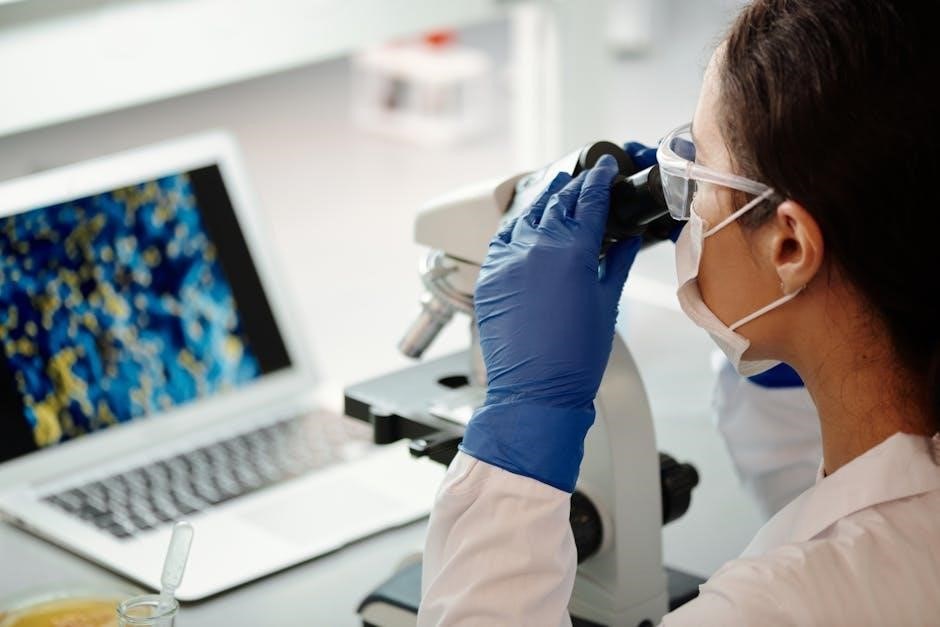
Microbial genetics, as presented in the 12th edition, delves into DNA structure, replication, gene expression, and the mechanisms of genetic change in microbes.
DNA Structure and Replication
Talaro’s Foundations in Microbiology, 12th Edition, meticulously details the foundational principles of DNA structure, exploring the double helix, nucleotide composition, and base pairing rules. The text elucidates the semi-conservative replication process, highlighting the roles of key enzymes like DNA polymerase, helicase, and ligase.
Students gain insight into the initiation, elongation, and termination phases of replication, alongside discussions of proofreading mechanisms ensuring genomic integrity. Furthermore, the edition covers the complexities of replication in prokaryotes versus eukaryotes, emphasizing differences in chromosome structure and replication origins. This section provides a robust understanding of how genetic information is faithfully copied and passed on.
Gene Expression and Regulation
Talaro’s Foundations in Microbiology, 12th Edition, comprehensively examines the central dogma of molecular biology – DNA to RNA to protein. It details transcription, translation, and the genetic code, explaining how information flows within a cell. The text thoroughly explores gene regulation in both prokaryotes and eukaryotes, focusing on operons, repressors, and activators.
Students learn about the impact of environmental factors on gene expression and the mechanisms cells employ to control protein synthesis. The edition also covers post-transcriptional regulation, including RNA processing and degradation, providing a complete picture of how genes are turned on and off.
Mutation, Genetic Recombination, and Gene Transfer
Talaro’s Foundations in Microbiology, 12th Edition, delves into the mechanisms of genetic change, beginning with spontaneous and induced mutations. It details various types of mutations – point, frameshift, and chromosomal – and their potential consequences for cellular function. The text then explores genetic recombination, including homologous and non-homologous recombination processes.
Crucially, the edition covers gene transfer mechanisms: transformation, transduction, and conjugation, explaining how bacteria acquire new genetic material. Students gain insight into the role of these processes in bacterial evolution and antibiotic resistance, understanding their significance in the microbial world.
Applied Microbiology
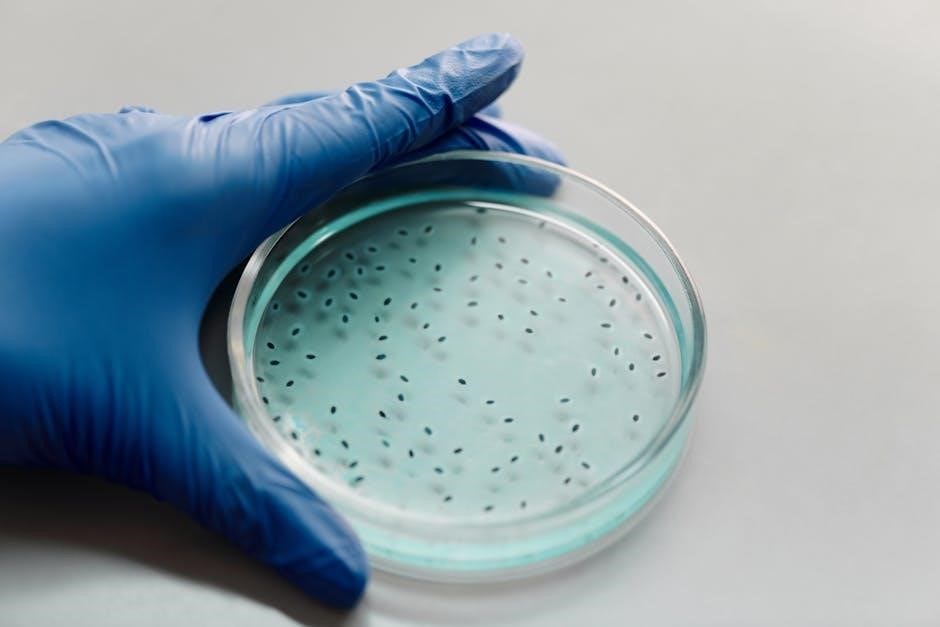
Applied Microbiology explores the practical uses of microbes, encompassing medical, industrial, and environmental applications, showcasing microbiology’s impact on daily life.
Medical Microbiology: Infectious Diseases
Medical Microbiology delves into the fascinating, and often perilous, world of infectious diseases. This section of Talaro’s Foundations in Microbiology meticulously examines the pathogens responsible for human illnesses, detailing their mechanisms of infection, virulence factors, and the resulting pathological processes.
Students will gain a thorough understanding of bacterial, viral, fungal, and parasitic diseases, learning to identify causative agents, trace their transmission routes, and comprehend the host’s immune response. The text emphasizes diagnostic techniques and current treatment strategies, preparing future healthcare professionals to combat these global health challenges effectively.
Industrial Microbiology and Biotechnology
Industrial Microbiology and Biotechnology showcases the remarkable power of microorganisms in various industrial processes. Talaro’s Foundations in Microbiology explores how microbes are harnessed for the large-scale production of valuable products, including antibiotics, enzymes, biofuels, and fermented foods.
This section details the principles of microbial fermentation, strain improvement, and bioreactor design. Students will discover the applications of biotechnology in areas like genetic engineering, bioremediation, and the development of sustainable technologies, highlighting the crucial role of microbiology in modern industry and environmental solutions.
Environmental Microbiology
Environmental Microbiology within Talaro’s Foundations in Microbiology delves into the crucial roles microbes play in Earth’s ecosystems. It examines microbial interactions within soil, water, and air, focusing on biogeochemical cycles like carbon, nitrogen, and sulfur.
The text explores microbial contributions to nutrient cycling, decomposition, and bioremediation of pollutants. Students will learn about the impact of human activities on microbial communities and the potential for utilizing microbes to address environmental challenges, fostering a deeper understanding of the interconnectedness between microorganisms and the planet’s health.
Immunology and Host Defenses
Immunology and Host Defenses explores the body’s intricate defense systems against pathogens, detailing innate and adaptive immunity mechanisms.
Innate Immunity
Innate immunity represents the first line of defense against invading microorganisms, providing rapid, non-specific protection. This crucial system encompasses physical barriers like skin and mucous membranes, alongside internal defenses such as phagocytic cells – neutrophils and macrophages – that engulf and destroy pathogens.
Natural killer (NK) cells target infected or cancerous cells, while inflammation serves as a vital response, recruiting immune cells to the site of infection. Complement proteins enhance phagocytosis and directly lyse microbial cells. Interferons, released by virus-infected cells, signal neighboring cells to resist viral replication. These interconnected components work synergistically to control and eliminate threats before adaptive immunity is fully activated.
Adaptive Immunity: Humoral
Humoral immunity, a key branch of adaptive immunity, centers around B lymphocytes (B cells) and the production of antibodies. Upon encountering an antigen, B cells differentiate into plasma cells, which actively secrete antibodies into the bloodstream and lymphatic fluid. These antibodies neutralize pathogens, opsonize them for phagocytosis, and activate the complement system.
Memory B cells are also generated, providing long-lasting immunity upon subsequent exposure to the same antigen. This targeted response is highly specific and develops over time, offering a powerful defense against previously encountered pathogens. Antibody classes (IgG, IgM, IgA, IgE, IgD) exhibit distinct functions and locations within the body.
Adaptive Immunity: Cellular
Cellular immunity relies on T lymphocytes (T cells) to directly combat intracellular pathogens and cancerous cells. T helper cells (CD4+ T cells) orchestrate the immune response by releasing cytokines, activating other immune cells like B cells and cytotoxic T cells. Cytotoxic T cells (CD8+ T cells) directly kill infected or cancerous cells by recognizing foreign antigens presented on their surface.
Memory T cells provide long-term immunity, enabling a faster and more robust response upon re-exposure. This branch of adaptive immunity is crucial for controlling viral infections and eliminating abnormal cells, complementing the actions of humoral immunity.
Diagnostic Microbiology
Diagnostic microbiology employs various techniques to identify pathogens, including microscopy, culturing, biochemical tests, and molecular methods for accurate diagnoses.
Microbial Identification Techniques
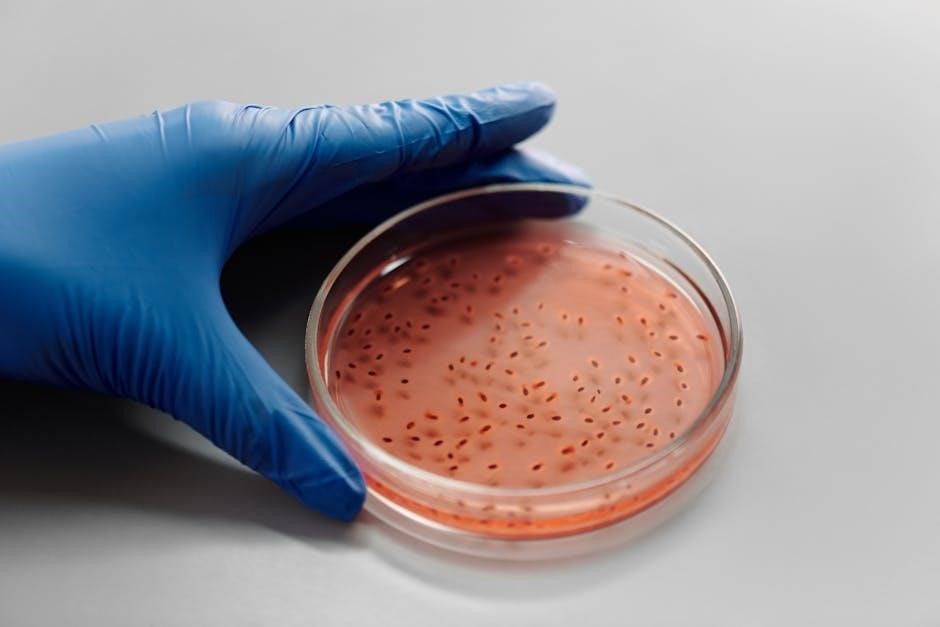
Microbial identification relies on a diverse toolkit, starting with traditional methods like Gram staining and biochemical testing to categorize bacteria based on metabolic properties. Culturing techniques remain fundamental, allowing for isolation and growth of microorganisms for further analysis. Modern molecular methods, such as PCR and DNA sequencing, offer rapid and precise identification by targeting unique genetic markers.
Furthermore, immunological assays, including ELISA and agglutination tests, detect specific antigens or antibodies, aiding in pathogen recognition. Automated systems and mass spectrometry are increasingly utilized for high-throughput identification, enhancing efficiency in clinical and research settings. These techniques, detailed within Talaro’s Foundations in Microbiology, are crucial for effective diagnosis and treatment of infectious diseases.
Antimicrobial Susceptibility Testing
Antimicrobial susceptibility testing (AST) is vital for guiding effective treatment of bacterial infections. Methods like disk diffusion (Kirby-Bauer) assess bacterial sensitivity to various antibiotics by measuring zones of inhibition. Broth dilution tests determine the minimum inhibitory concentration (MIC), the lowest antibiotic concentration preventing visible growth.
E-tests provide a continuous MIC gradient, offering precise results. Automated systems streamline AST, delivering rapid and standardized data. Talaro’s Foundations in Microbiology emphasizes the importance of interpreting AST results accurately, considering factors like bacterial species and clinical context, to combat antimicrobial resistance and optimize patient care.
Emerging Infectious Diseases
Emerging infectious diseases pose significant global health threats, demanding constant surveillance and rapid response strategies to mitigate their impact on populations.
Novel Pathogens and Their Impact
The study of novel pathogens is crucial in understanding the dynamics of infectious diseases. These emerging threats, often originating from zoonotic sources or through genetic mutations, can rapidly spread across borders, challenging existing healthcare systems. Foundations in Microbiology likely details the characteristics of such pathogens, exploring their modes of transmission, virulence factors, and the resulting disease pathologies.
Understanding the impact requires analyzing epidemiological data, genomic sequencing, and the host immune response. The textbook probably emphasizes the importance of global surveillance networks and collaborative research efforts to effectively combat these evolving microbial challenges and protect public health worldwide.
Global Surveillance and Response
Effective global surveillance is paramount in detecting and responding to emerging infectious diseases. Foundations in Microbiology likely highlights the role of organizations like the World Health Organization (WHO) in coordinating international efforts. This includes monitoring disease outbreaks, sharing data, and establishing standardized reporting protocols.
A rapid response necessitates collaborative research, vaccine development, and the implementation of public health measures – quarantine, contact tracing, and hygiene promotion. The textbook probably emphasizes the importance of preparedness, international cooperation, and proactive strategies to mitigate the impact of future pandemics and safeguard global health security.
The Role of the Microbiome
Microbiome studies reveal complex communities of microorganisms impacting human health and disease, explored within Foundations in Microbiology, 12th edition.
Human Microbiome: Composition and Function
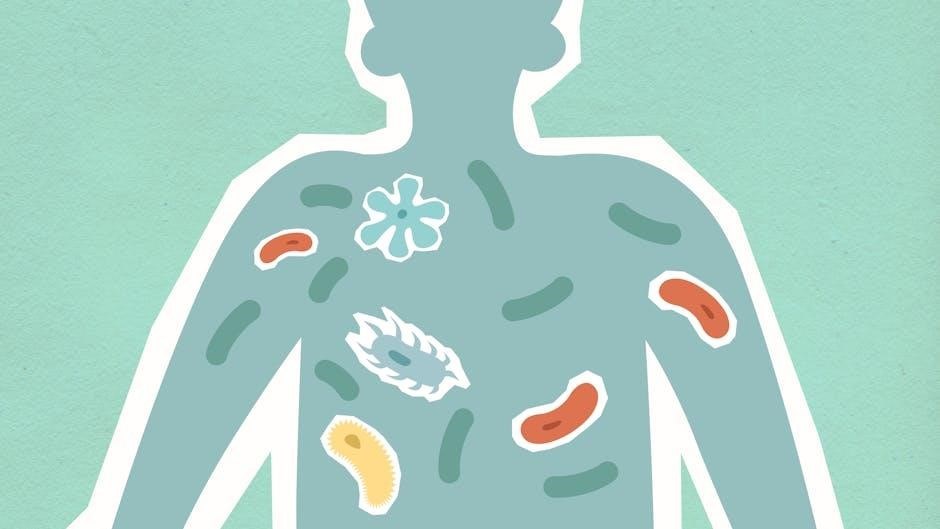
Talaro’s Foundations in Microbiology, 12th Edition, delves into the intricate composition of the human microbiome, highlighting the diverse bacterial, archaeal, fungal, and viral communities inhabiting various body sites. This edition elucidates how these microbial ecosystems contribute significantly to essential human functions.
It details their roles in nutrient metabolism, immune system development, and protection against pathogens. The textbook explores the dynamic interplay between the host and microbiome, emphasizing the factors influencing microbial community structure and function. Understanding these complex relationships is crucial for comprehending health and disease, as presented within the text’s comprehensive framework.
Microbiome and Health/Disease
Talaro’s Foundations in Microbiology, 12th Edition, thoroughly examines the profound impact of the microbiome on human health and disease. The text details how disruptions in microbial communities – dysbiosis – are linked to a wide range of conditions, including inflammatory bowel disease, obesity, and autoimmune disorders.
It explores the mechanisms by which microbes influence disease susceptibility and progression, emphasizing the potential for microbiome-targeted therapies. The book also covers the emerging field of fecal microbiota transplantation and its applications in restoring microbial balance, offering a comprehensive view of this critical area of study.
Future Trends in Microbiology
Talaro’s Foundations explores metagenomics, systems biology, and CRISPR technology, highlighting their revolutionary potential in understanding and manipulating microbial systems;
Metagenomics and Systems Biology
Talaro’s Foundations in Microbiology delves into the exciting fields of metagenomics and systems biology, representing a paradigm shift in microbial study. Metagenomics allows for the analysis of genetic material recovered directly from environmental samples, bypassing the need for culturing individual species.
This approach reveals the vast, previously hidden diversity of microbial communities. Systems biology, conversely, focuses on understanding the complex interactions within these communities, employing computational modeling to predict behavior. The textbook likely illustrates how these tools are reshaping our understanding of microbial ecosystems and their roles in health, disease, and environmental processes, offering a glimpse into the future of microbiology.
CRISPR and Gene Editing in Microbiology
Talaro’s Foundations in Microbiology likely dedicates significant attention to CRISPR-Cas9 technology and its revolutionary impact on microbial genetics. This gene-editing tool allows for precise modifications to microbial genomes, opening avenues for targeted gene inactivation, correction, or introduction of new functionalities.
The textbook probably explores the applications of CRISPR in understanding gene function, developing novel antimicrobials, and engineering microbes for biotechnological purposes. Discussions may include ethical considerations surrounding gene editing and the potential for future advancements in this rapidly evolving field, showcasing its transformative power within microbiology.

Accessing the 12th Edition PDF
Obtain the PDF through legitimate sources like the publisher’s website or authorized online bookstores to avoid risks associated with unauthorized downloads.
Legitimate Sources for PDF Acquisition
Securing a legal PDF copy of Talaro’s Foundations in Microbiology, 12th Edition, is crucial for ethical and academic integrity. Reputable sources include the official Pearson website, often offering direct purchase or rental options for the digital textbook. Major online booksellers, such as Amazon and Barnes & Noble, frequently provide authorized PDF versions.
University libraries may also grant students access to the e-textbook through their digital resource platforms. Always verify the source’s authenticity to ensure you receive a genuine, uncorrupted file and support the author’s work. Avoid unofficial websites offering free downloads, as these often harbor malware or violate copyright laws.
Potential Risks of Unauthorized Downloads
Downloading Talaro’s Foundations in Microbiology, 12th Edition, from unofficial sources carries significant risks. These illegally obtained PDFs frequently contain malware, viruses, and spyware, compromising your device’s security and personal data. Such downloads also violate copyright laws, potentially leading to legal repercussions, including fines.
Furthermore, unauthorized PDFs often have poor formatting, missing pages, or are simply unreadable, hindering your learning experience. Supporting legitimate sources ensures you receive a high-quality, secure, and legally compliant textbook, protecting both your digital wellbeing and academic integrity.
Supplementary Resources
Enhance your learning with online platforms, study guides, and practice questions designed to complement Talaro’s Foundations in Microbiology, 12th Edition.
Online Learning Tools and Platforms
Numerous digital resources accompany Talaro’s Foundations in Microbiology, 12th Edition, to facilitate a deeper understanding of complex concepts. These platforms often include interactive quizzes, practice exams, and animated tutorials, reinforcing key principles. Students can benefit from access to virtual labs, simulating experiments and enhancing practical skills.
Pearson’s MyLab Microbiology is a prominent example, offering personalized learning paths and immediate feedback. Explore supplemental materials, including instructor-created content and multimedia resources, to broaden your knowledge base and prepare effectively for assessments. These tools are designed to cater to diverse learning styles and promote academic success.
Study Guides and Practice Questions
To maximize learning and exam preparation, several study aids complement Talaro’s Foundations in Microbiology, 12th Edition. Comprehensive study guides provide chapter summaries, key term definitions, and focused review questions. These resources help consolidate understanding and identify areas needing further attention.
Practice questions, available both in print and online, offer opportunities to test knowledge and apply concepts. Utilize end-of-chapter questions, as well as those found within the accompanying MyLab Microbiology platform. Engaging with these materials strengthens critical thinking skills and boosts confidence for assessments, ensuring a thorough grasp of the subject matter.