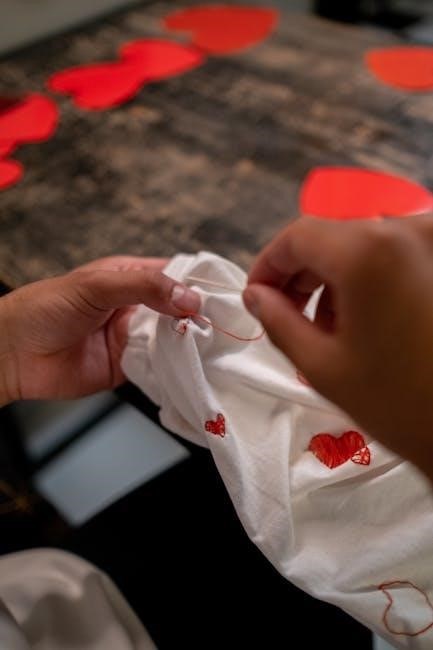
Article Plan: Types of Hand Stitches with Pictures (PDF Focus)
This comprehensive guide details essential hand stitches, offering visual aids and downloadable PDF resources for beginners and experienced sewers alike․
Explore stitch anatomy, temporary techniques, seaming, finishing, decorative options, and specialized applications—all with clear pictures․
PDF guides will enhance learning, providing printable stitch references and practice patterns for mastering this timeless craft․
Hand stitching is a foundational skill in the world of sewing and textile arts, predating even the invention of the sewing machine․ It’s a versatile technique used for everything from quick repairs and alterations to intricate embroidery and garment construction․ This article serves as a detailed exploration of various types of hand stitches, accompanied by illustrative pictures and readily available PDF resources to aid your learning journey․
Whether you’re a complete beginner or looking to refine your existing skills, understanding hand stitches unlocks a world of creative possibilities․ We’ll cover temporary stitches for preparation, robust stitches for seaming, delicate stitches for finishing, and decorative stitches to add personalized flair․ The included PDF guides will provide printable references for quick access and practice․
This guide emphasizes visual learning, ensuring you can confidently identify and execute each stitch․ Prepare to delve into the art of hand stitching and discover its enduring appeal!
Why Learn Hand Stitches?

Despite the convenience of modern sewing machines, mastering hand stitches remains incredibly valuable․ Hand stitching offers unparalleled control, especially when working with delicate fabrics or intricate details where machine precision isn’t ideal․ It’s essential for repairs, alterations, and adding unique finishing touches to garments and projects․
Learning these techniques expands your creative toolkit, allowing for personalized embellishments like embroidery and appliqué․ PDF resources containing stitch diagrams and practice patterns make the learning process accessible and enjoyable․ Furthermore, hand stitching is a portable and quiet craft, perfect for on-the-go projects․
From reinforcing seams with a strong backstitch to creating invisible closures with a slip stitch, the applications are endless․ Embrace the mindful practice of hand sewing and unlock a world of textile artistry!
Essential Tools for Hand Stitching
Embarking on hand stitching requires a few key tools․ A selection of sharp needles in various sizes is crucial, catering to different fabric weights and stitch types․ High-quality thread, matching your fabric, ensures durability and a polished finish․ PDF guides often recommend specific thread weights for each stitch․
Small, sharp scissors are indispensable for precise thread trimming․ A thimble protects your finger while pushing the needle through tougher materials․ Consider a seam ripper for correcting mistakes – even experienced stitchers need them!
Fabric marking tools, like tailor’s chalk or a water-soluble pen, aid in accurate stitch placement․ A needle threader simplifies the threading process, and a pin cushion keeps your workspace organized․ These simple tools, paired with instructional PDFs, will set you up for success․
Understanding Stitch Anatomy
Before diving into specific stitches, grasping fundamental anatomy is key․ Every hand stitch comprises elements like stitch length – the distance between each needle penetration – and stitch depth, influencing fabric security․ Understanding these aspects, often visually demonstrated in PDF guides, is crucial․

Stitch direction dictates the appearance and strength․ Some stitches move forward, like the running stitch, while others, such as the back stitch, reinforce with overlapping movements․ Recognizing these patterns, illustrated in detailed PDFs, unlocks stitch versatility․
The entry and exit points of the needle define the stitch’s visual texture․ Mastering these foundational concepts, supplemented by practice and visual PDF resources, will elevate your hand stitching skills․
Temporary Stitches
Temporary stitches are invaluable for preparation, holding fabric layers securely before permanent seams are applied․ These stitches, often detailed in PDF guides, are designed for easy removal without damaging the fabric․ Basting stitch, a simple running stitch with longer lengths, is a prime example․
Gathering stitches create texture and fullness, essential for ruffles or shaping garments․ PDF resources often showcase how varying stitch lengths impact the degree of gathering․ These stitches aren’t meant to be permanent, offering flexibility during construction․
Understanding their purpose and technique, as illustrated in visual PDFs, is crucial for efficient sewing․ They provide a foundation for accurate machine stitching or hand-sewn details․

Basting Stitch ⎼ Purpose and Technique
The basting stitch is a temporary, long running stitch used to hold fabric layers together before final sewing․ PDF guides demonstrate its simplicity: a straightforward in-and-out motion with larger stitch lengths than permanent seams․ Its primary purpose is to secure fabric for fitting, quilting, or machine stitching․
Technique involves creating loose stitches, easily removed with a seam ripper without leaving marks․ PDF resources often highlight using contrasting thread for visibility during removal․ Basting is ideal for complex shapes or delicate fabrics where pinning might cause damage;
Visual aids in PDF formats clearly illustrate the stitch formation and its application in various sewing projects․
Gathering Stitch ─ Creating Ruffles and Texture
The gathering stitch, showcased in detailed PDF guides, is a running stitch used to shorten fabric length, creating ruffles, fullness, or textured effects․ PDF visuals demonstrate how to sew multiple rows of long running stitches across the fabric section needing gathering․
Technique involves gently pulling the thread ends to cinch the fabric, forming the desired gathers․ PDF resources emphasize even distribution of gathers for a professional finish․ This stitch is crucial for creating skirts, sleeves, or decorative elements․
Illustrated PDF tutorials clarify stitch length and spacing for varying degrees of fullness, offering practical guidance for diverse projects․
Basic Hand Stitches for Seaming
Essential for garment construction, these stitches, detailed in accompanying PDF guides, securely join fabric pieces․ PDF illustrations clearly demonstrate the mechanics of each stitch, aiding comprehension for all skill levels․ Mastering these foundational techniques is paramount for hand-sewing success․
The running stitch, the simplest, forms a basic seam, while the back stitch provides superior strength and durability—ideal for reinforcing stress points․ PDF resources highlight the back stitch’s resemblance to machine stitching, offering a robust alternative․
Downloadable PDF stitch diagrams offer step-by-step instructions, ensuring accurate execution and professional-looking seams․
Running Stitch ─ The Foundation Stitch
The running stitch, showcased in detailed PDF visuals, is the most basic hand stitch—a cornerstone for beginners․ PDF guides illustrate its simple “in-and-out” motion, creating a dashed line on both fabric sides․ While not the strongest, it’s perfect for gathering, easing, or temporary basting․
Downloadable PDF patterns demonstrate its use in simple seaming and quick repairs․ PDF step-by-step diagrams emphasize consistent stitch length for a neater appearance․ It’s often used as a preparatory stitch before more secure methods;
PDF resources explain how varying stitch length impacts fabric appearance and seam strength, offering valuable insights․
Back Stitch ⎼ Strength and Durability
The back stitch, clearly illustrated in accompanying PDF guides, is renowned for its strength, mimicking a machine stitch; PDF diagrams demonstrate how each stitch anchors into the previous one, creating a solid, unbroken line․ This makes it ideal for seams requiring durability, or for mending․
Downloadable PDF practice sheets help master the technique, emphasizing consistent stitch length and backward movement․ PDF resources highlight its use in outlining embroidery designs and creating precise lines․
Detailed PDF visuals show how to achieve a neat appearance on both fabric sides, ensuring a professional finish․ It’s a vital stitch for reinforcing stress points․
Hand Stitches for Finishing & Repair
PDF resources showcase hand stitches crucial for completing projects and extending garment life․ Downloadable guides detail the whip stitch, perfect for neat hemming and edging, with visual aids demonstrating short, diagonal stitches․ The ladder stitch (slipstitch), featured in PDF tutorials, creates invisible closures – ideal for pillows or stuffed toys․
PDF diagrams illustrate how to close holes discreetly, making repairs seamless․ These finishing techniques, presented in easy-to-follow PDFs, ensure a professional look․ Step-by-step PDF instructions cover securing appliqués and binding raw edges․
Comprehensive PDF collections offer stitch variations for diverse repair needs․
Whip Stitch ─ Hemming and Edging
Detailed PDF guides illustrate the whip stitch, a foundational technique for hemming and creating clean edges․ Visual diagrams demonstrate wrapping the thread diagonally over the fabric’s edge, forming short, evenly spaced stitches․ Downloadable resources emphasize maintaining consistent tension for a professional finish․

PDF tutorials showcase variations – a closer stitch for durability, a wider stitch for decorative effect․ Step-by-step instructions clarify needle entry and exit points, crucial for neatness․ PDF practice sheets help master stitch spacing and angle․

Comprehensive PDF collections include applications for appliqué and securing fabric layers․
Slip Stitch (Ladder Stitch) ⎼ Invisible Closures
PDF resources expertly detail the slip stitch, also known as the ladder stitch, for creating nearly invisible closures․ Illustrated guides demonstrate picking up a small amount of fabric from each side of the opening, alternating stitches to “ladder” the edges together․ Downloadable diagrams clarify the hidden knotting technique for a seamless finish․

PDF tutorials emphasize maintaining consistent stitch length and tension, vital for an undetectable seam․ Step-by-step visuals show how to gently pull the thread to close the opening, creating a professional, clean look․ Practice sheets within the PDF aid in mastering this delicate stitch․
Comprehensive PDF collections showcase applications for closing pillows, stuffed toys, and hems․
Decorative Hand Stitches
PDF guides unlock a world of embellishment with decorative hand stitches, moving beyond basic seams․ Detailed illustrations showcase the Stem Stitch, perfect for outlining floral designs and creating elegant borders․ Downloadable charts explain stitch formation, emphasizing consistent tension for smooth lines․
Visual PDFs introduce the bold Chain Stitch, ideal for filling shapes and creating striking textures․ Step-by-step diagrams clarify loop creation and stitch linking․ Practice patterns within the PDF allow experimentation with color and stitch direction․
Comprehensive resources demonstrate combining stitches for unique effects, enhancing any project with handcrafted artistry․
Stem Stitch ─ Outlining and Floral Designs
PDF tutorials expertly demonstrate the Stem Stitch, a cornerstone for delicate outlining and realistic floral embroidery․ Clear diagrams illustrate how the working thread consistently emerges to the left (or right) of the previous stitch, creating a slightly twisted, rope-like effect․
Downloadable practice sheets provide pre-printed floral motifs, allowing beginners to trace and master stitch placement․ Detailed close-ups within the PDF highlight proper tension control for clean, defined lines․ Color variations are explored, showcasing the stitch’s versatility․
Step-by-step guides ensure successful application for both simple outlines and intricate botanical designs․
Chain Stitch ─ Bold Lines and Filling
PDF resources unlock the potential of the Chain Stitch, a visually striking technique ideal for bold outlines and dense filling․ Illustrated guides break down the process – looping the needle through each preceding stitch to form a chain-like pattern․
Downloadable patterns offer opportunities to practice both single and multiple-row chain stitches, demonstrating its adaptability․ Detailed visuals emphasize maintaining consistent loop size for a uniform appearance․ Color blending techniques are showcased within the PDF, expanding creative possibilities․
Step-by-step instructions ensure successful application for lettering, borders, and textured surfaces․
Specialized Hand Stitches
PDF guides delve into specialized techniques beyond basic sewing, showcasing stitches for unique applications․ French Tack, detailed with diagrams, demonstrates secure lining attachment, though prone to loosening with wear․ Blanket Stitch, a decorative edging, is explored with variations for appliqué and finishing raw edges․
Downloadable resources provide clear visuals for mastering these nuanced stitches․ Step-by-step instructions emphasize proper tension and stitch placement․ Troubleshooting tips address common challenges, ensuring successful execution․
These specialized stitches elevate projects, adding professional finishes and intricate details, all supported by comprehensive PDF documentation․
French Tack ⎼ Attaching Lining to Outer Fabric

French Tack, illustrated in detailed PDF guides, is a hand-sewing method for connecting lining to the outer shell of garments; While effective, it’s noted for potential loosening with use, requiring careful execution․ Step-by-step diagrams demonstrate creating small, secure stitches through both fabric layers․
Downloadable resources emphasize consistent stitch length and spacing for optimal hold․ PDFs highlight the importance of using a strong thread and knotting securely․ Visual aids show how to distribute tacks evenly to prevent puckering or distortion․
Mastering French Tack adds a professional finish, though reinforcement may be needed for high-stress areas․
Blanket Stitch ⎼ Decorative Edging and Applique
Blanket Stitch, showcased in detailed PDF tutorials, is a versatile hand stitch ideal for decorative edging and securing appliqué pieces․ Visual guides demonstrate creating evenly spaced, upright stitches along fabric edges, forming a neat, finished border․ Downloadable resources illustrate variations in stitch length and spacing for different aesthetic effects․
PDFs emphasize maintaining consistent tension to prevent puckering; Step-by-step diagrams clarify the looping technique, crucial for a clean, professional look․ This stitch is excellent for preventing fraying and adding a handcrafted touch to projects․
Mastering Blanket Stitch enhances both functionality and visual appeal;
Hand Stitching vs․ Machine Stitching
PDF resources clearly delineate the strengths of both hand and machine stitching․ Detailed comparisons highlight machine stitching’s speed and efficiency for large projects, while emphasizing hand stitching’s precision and control for delicate work․ Visual guides demonstrate how hand stitches offer a unique, artisanal quality unattainable by machine․
Downloadable charts outline when to choose each method – hand stitching for repairs, embellishments, and intricate details, and machine stitching for seams and bulk construction․ PDFs also address the portability of hand sewing, allowing crafting anywhere․
Understanding these differences empowers informed project planning․
Finding Hand Stitch Guides & Resources
Numerous online resources and downloadable PDF guides cater to all skill levels․ Sarah’s Hand Embroidery Tutorials offer stitch identification handbooks, categorizing stitches by family and appearance․ Websites like embroidery․rocksea․org provide eBooks with detailed stitch instructions and practice guidance․
Etsy shops, as mentioned, offer beginner-friendly stitch guides in PDF format, covering essential techniques․ Free resources are also available through blogs and online communities, showcasing stitch variations and applications․ PDFs often include printable patterns for practice․
These resources ensure accessible learning for mastering hand stitching․
Hand Stitching PDF Resources
Numerous PDF resources simplify learning hand stitches․ Beginner’s guides, available on platforms like Etsy, compile essential stitches with visual diagrams․ Embroidery․rocksea․org offers comprehensive eBooks detailing stitch techniques and practice exercises․ These PDFs often categorize stitches by function – seaming, finishing, or decorative․
Downloadable guides frequently include stitch anatomy explanations and troubleshooting tips․ Printable stitch samplers allow for convenient practice and reference․ Sarah’s Hand Embroidery Tutorials provides identification handbooks in PDF format, aiding stitch recognition․
These resources offer structured learning for mastering various hand stitching techniques․
Printable Hand Stitch Guides
Accessible printable guides are invaluable for hand stitching practice․ PDF stitch samplers offer diagrams of common stitches like running, backstitch, and whipstitch, ideal for quick reference during projects․ Many online resources provide downloadable templates with stitch lines for tracing and practicing consistent stitch length and spacing․
These guides often categorize stitches by purpose – seaming, decorative, or temporary – streamlining the learning process․ Embroidery․rocksea․org and similar sites offer detailed printable patterns alongside stitch instructions․
Having a physical copy allows offline access and personalized annotation, enhancing skill development․
Hand Embroidery Stitch Families
Hand embroidery stitches aren’t isolated techniques; they belong to distinct families based on their construction and appearance․ Understanding these families – like filling, outlining, and couching – simplifies learning and allows for creative variation․ Sarah’s Hand Embroidery Tutorials emphasizes this categorization for quick stitch identification․
Filling stitches, such as satin stitch and long and short stitch, cover areas with texture․ Outlining stitches, like stem stitch and chain stitch, define shapes․ Couching stitches involve laying threads on the surface and securing them with smaller stitches․
Recognizing these families unlocks a deeper understanding of embroidery design and technique․
Identifying Hand Embroidery Stitches
Accurate stitch identification is crucial for both following patterns and developing your own designs․ Sarah’s Hand Embroidery Tutorials provides a handbook specifically designed for this purpose, focusing on recognizing stitches by their names and visual characteristics․
Key features to observe include stitch direction, stitch length, how the thread interacts with the fabric, and the overall texture created․ Comparing a new stitch to known examples within stitch families (filling, outlining, etc․) aids in identification․
Utilizing visual guides and referencing PDF resources with clear images will significantly improve your ability to confidently name and replicate various hand embroidery stitches․
Stitch Use Cases ─ A Quick Reference
A handy reference chart streamlines project planning by linking stitches to their ideal applications․ Running stitch excels at temporarily securing fabric layers, while basting stitch is perfect for preparation before machine sewing․

Gathering stitch creates beautiful ruffles and textured effects․ For strength, back stitch reinforces seams and handles mending․ Whip stitch is ideal for hemming and edging, while the slip stitch (ladder stitch) offers invisible closures․
PDF guides often include such quick references, allowing for efficient stitch selection based on project needs and desired aesthetic outcomes․
Practice Patterns for Hand Stitches
Dedicated practice patterns are invaluable for mastering hand stitching techniques, especially for beginners․ PDF resources frequently include printable templates designed to hone skills in various stitches․ These patterns often feature simple shapes and lines, allowing focused repetition of running stitch, back stitch, and whip stitch․

More advanced patterns introduce decorative stitches like stem stitch and chain stitch, building confidence and dexterity․ Utilizing these patterns alongside visual guides accelerates learning and ensures consistent stitch quality․
Downloadable PDFs provide convenient, accessible practice opportunities, fostering a deeper understanding of each stitch’s application․
Troubleshooting Common Hand Stitching Problems
Hand stitching, while rewarding, can present challenges․ PDF guides often dedicate sections to resolving frequent issues․ Uneven stitches frequently stem from inconsistent tension – practice maintaining a uniform pull on the thread․ Knotted thread can be avoided by using quality thread and ensuring the needle isn’t dragging․
Puckered fabric often indicates stitches are too tight; loosen your tension․ Difficulty starting and ending stitches can be solved with secure knots and careful thread burying․
Comprehensive PDF resources provide visual demonstrations and step-by-step solutions, empowering stitchers to overcome obstacles and refine their technique․
Advanced Hand Stitching Techniques
Beyond basic stitches, advanced techniques elevate hand sewing․ PDF resources showcase complex methods like needle turn appliqué, requiring precise fabric manipulation and tiny, nearly invisible stitches․ Complex embroidery, utilizing stitch combinations and shading, demands practice and a keen eye for detail․
Invisible zippers and tailored finishes, often detailed in premium PDF guides, necessitate specialized stitches like the slip stitch and meticulous execution․ Mastering these skills transforms simple projects into professional-quality creations․
Detailed diagrams within these guides illustrate nuanced techniques, enabling stitchers to confidently tackle intricate designs and achieve exceptional results․
Mastering the Art of Hand Stitching
Hand stitching, a timeless skill, offers creative freedom and a connection to textile traditions․ Utilizing PDF guides and practice unlocks a world of possibilities, from simple repairs to elaborate embroidery․
Consistent practice, combined with visual references from detailed PDF resources, builds confidence and precision․ Exploring diverse stitches—running, back, whip, and beyond—expands your capabilities․
Embrace the meditative quality of hand sewing and the satisfaction of creating unique, handcrafted items․ Downloadable stitch guides serve as invaluable companions on your journey to mastering this rewarding art form․